0


Your Cart


Product title goes here
$19.95
Thank you! Your submission has been received!
Oops! Something went wrong while submitting the form.
No items found.
One art form slowly shapes living trees over decades. The other captures fleeting moments of seasonal beauty. Discover how bonsai and ikebana share a common philosophy rooted in observation, balance, and a deep appreciation for nature.
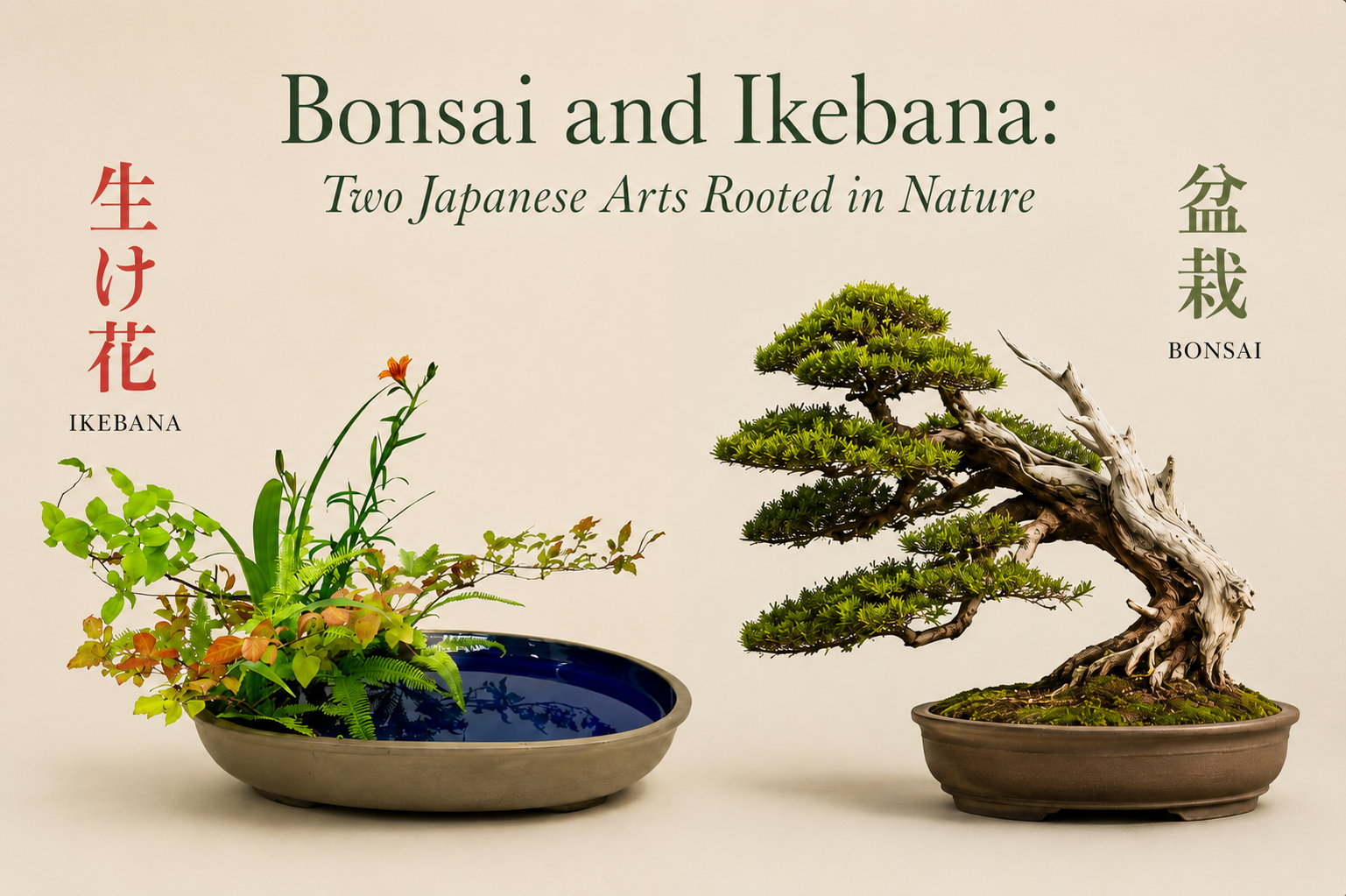
At first glance, bonsai and ikebana may seem very different.
One carefully shapes living trees over years, sometimes decades. The other creates arrangements that may last only days. Bonsai is rooted in long-term cultivation and refinement, while ikebana embraces seasonality and impermanence.
Yet despite their differences, both art forms are deeply connected by a shared philosophy: learning to truly see nature.
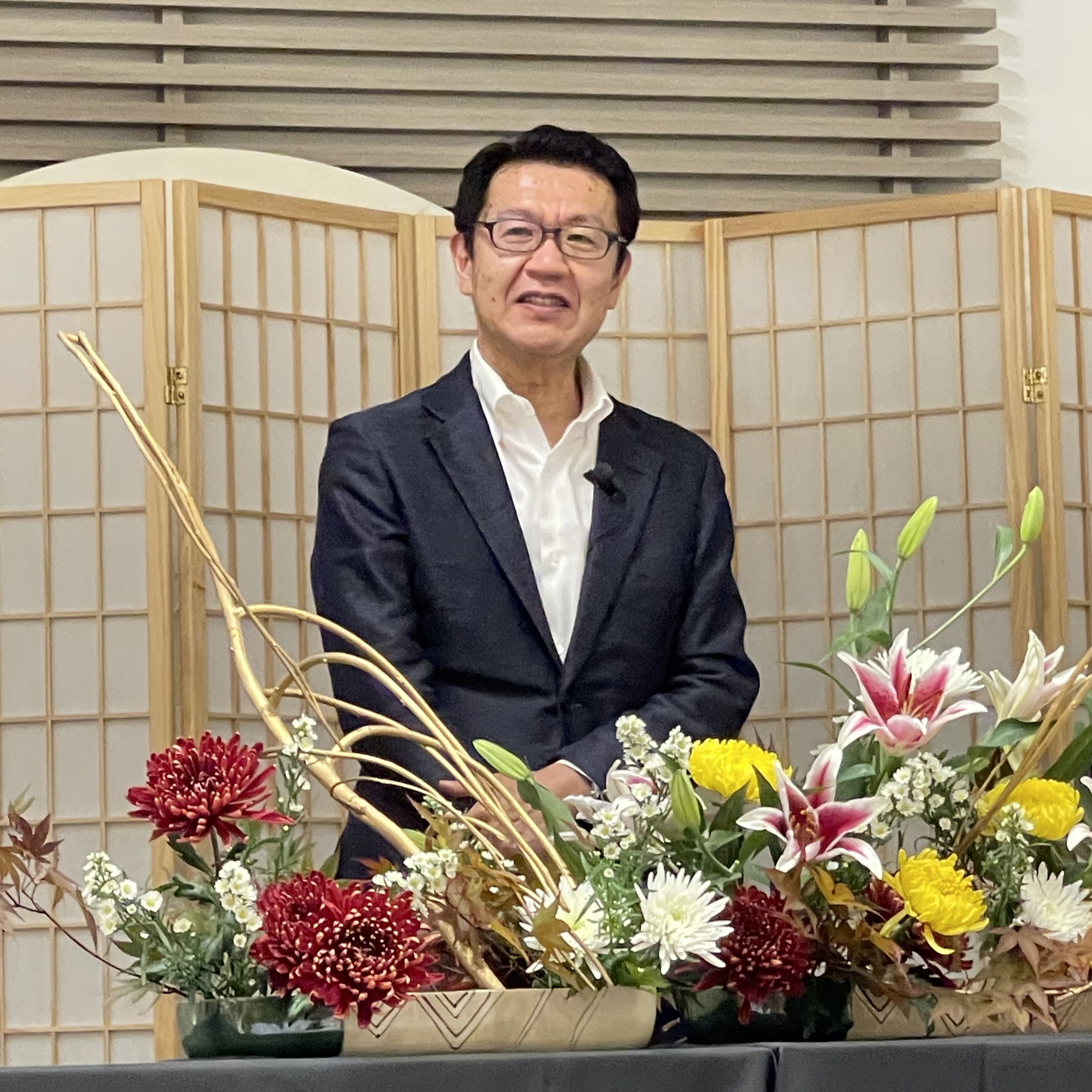
That connection will be on full display this June as the Columbus Bonsai Society and several Central Ohio ikebana groups come together for a special collaborative event featuring exhibitions, demonstrations, vendors, and hands-on workshops.
To many newcomers, bonsai may appear to be “miniature trees,” while ikebana is often described simply as “Japanese flower arranging.” But practitioners of both arts quickly discover something much deeper.
Both bonsai and ikebana ask us to slow down and observe.
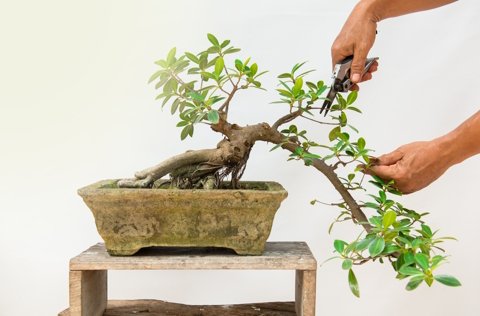
How does a branch naturally move toward light?
How does a flower bud open differently from a mature bloom?
What feeling does a curve create?
How can empty space become just as important as the materials themselves?
In both arts, the goal is not to copy nature literally. Instead, the artist attempts to express its essence.
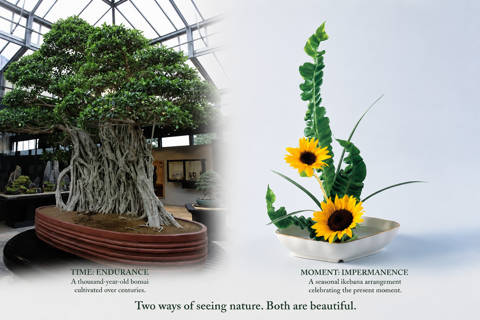
One of the most fascinating differences between bonsai and ikebana is their relationship with time.
A bonsai artist may spend years developing trunk movement, refining branch placement, and creating the illusion of age and endurance. A mature bonsai can outlive its creator and be passed through generations.
Ikebana, on the other hand, celebrates the present moment.
An arrangement may capture the feeling of early summer, a passing rainstorm, or the first signs of autumn. The flowers change daily. Leaves bend. Blooms open and fade. Rather than resisting impermanence, ikebana embraces it.
Both perspectives reflect important parts of Japanese aesthetics and philosophy.
Bonsai enthusiasts often find themselves surprisingly drawn to ikebana because the visual language feels familiar.
In both arts:
A single branch can completely change the emotional feeling of a composition.
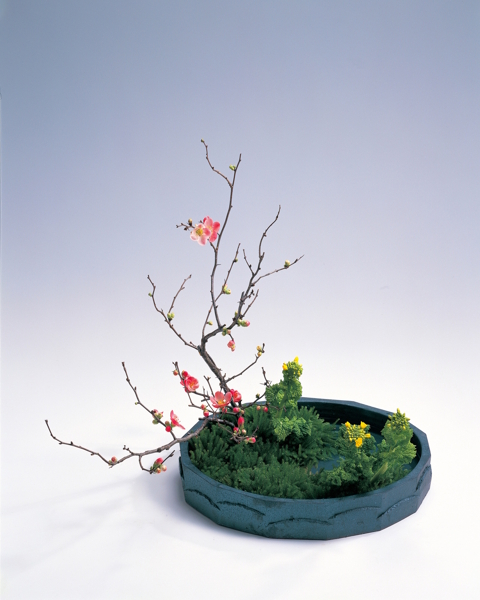
In the Ohara School of Ikebana especially, arrangements often suggest entire landscapes using only a few carefully selected materials. This idea of evoking nature rather than reproducing it has strong parallels to bonsai design.
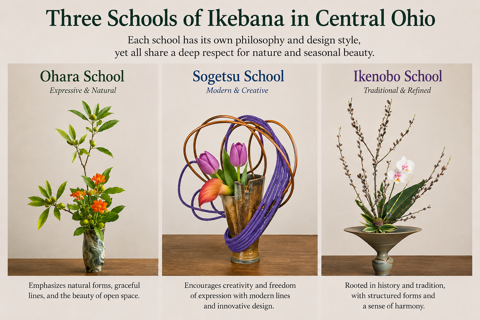
One thing many people do not realize is that Central Ohio is home to three major schools of Japanese ikebana:
Each school has its own history, philosophy, and design approach, yet all share a deep respect for nature and seasonal expression.
At the June event, visitors will be able to experience all three traditions through exhibitions and beginner-friendly “Ikebana Experience” workshops.
The upcoming Columbus Bonsai Society Show (June 13-14, 2026) offers a rare opportunity to experience bonsai and ikebana side by side.
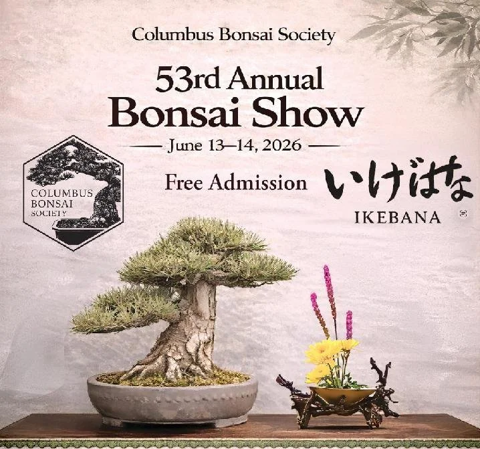
Visitors will be able to:
All workshop materials will be provided, including flowers, containers, kenzans, and tools for use during class. Participants simply register, arrive, and experience the art form firsthand.
Whether you are already passionate about bonsai, curious about Japanese culture, or simply looking for a new creative experience, we hope you will join us.
Sometimes the best way to understand nature is not by rushing through it, but by slowing down long enough to truly see it.
Joe Rotella
Associate Second Term Master
Ohara School of Ikebana