0


Your Cart


Product title goes here
$19.95
Thank you! Your submission has been received!
Oops! Something went wrong while submitting the form.
No items found.
Hydrangea season has arrived, bringing one of Japan’s most beloved early-summer flowers back into gardens, flower markets, and Ikebana studios. In this article, we explore why hydrangea holds such a special place in Japanese culture, how it expresses the feeling of the season in Ikebana, and several practical techniques for keeping these famously dramatic blooms fresh and beautiful longer.
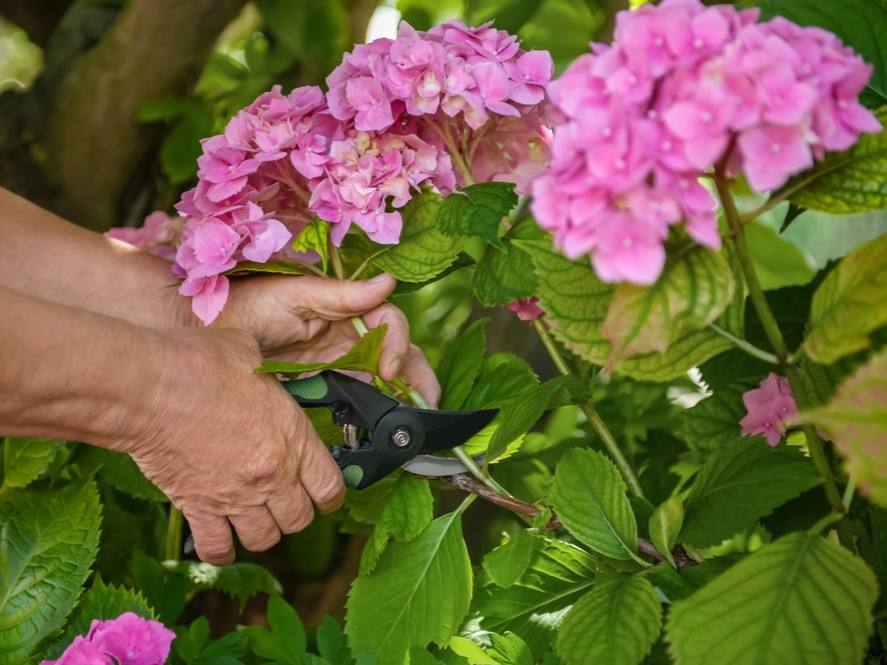
Every year around late spring and early summer, hydrangeas begin appearing throughout gardens, parks, and flower markets. Their large clusters of blossoms and soft color transitions make them one of the most beloved seasonal flowers in Japan and an especially beautiful material for Ikebana.
But hydrangea also has a reputation.
If you’ve ever cut hydrangea from your garden, placed it in water, and watched it collapse dramatically an hour later… you are definitely not alone.
Hydrangea can be both stunning and stubborn.
Hydrangea, or Ajisai, holds a special place in Japanese culture. In the June 2025 issue of Ikebana Ohara-ryu Sōka, Headmaster Ohara Hiroki wrote about the hydrangeas native to Kobe, where he grew up. He described how the flowers bloom throughout the city in shades of blue, green, and white, creating what local people affectionately call the “Ajisai Belt.”
One of the things people love most about hydrangea is its subtle variation in color. Soil acidity can influence whether blooms lean blue, lavender, pink, or even green. This natural shifting of tones feels very aligned with the spirit of Ikebana, where we often try to express not only the beauty of a material, but also the feeling of the season itself.
Hydrangea arrangements can feel lush and abundant, yet also soft and quiet.
Hydrangea flowers are large and full of moisture, which means they lose water rapidly after being cut. Their stems can also form sap blockages that prevent water from moving upward effectively.
That’s why conditioning becomes so important.
Professional florists and Ikebana artists use several techniques to help hydrangea stay hydrated and beautiful longer.
Hydrangea stems should be recut immediately before placing them into water. Cutting underwater can help reduce air bubbles that interfere with water uptake.
Large leaves pull significant moisture from the stem. Removing some foliage allows the flower head to receive more hydration.
Many floral designers use alum powder on freshly cut hydrangea stems. Alum is believed to help reduce sap blockage and improve water uptake.
One of the most effective rescue techniques is surprisingly simple: fully submerge the flower head in cool water for 20 to 30 minutes.
Because hydrangea petals can absorb water directly, this often revives wilted blooms dramatically.
Products such as Crowning Glory® are commonly used by florists to reduce moisture loss and help hydrangea maintain freshness longer, especially during exhibitions or warm weather.
Hydrangea works beautifully in many forms of Ikebana because it provides both color and mass while still feeling natural and seasonal. Depending on the variety and stage of bloom, it can appear fresh and youthful or quiet and mature.
One bloom can sometimes be enough.
In Ohara Ikebana, we often think carefully about how materials express the season. Hydrangea naturally evokes early summer, rain-filled air, shifting light, and the gentle transition from spring into warmer days.
Its softness pairs beautifully with line materials, branches, grasses, and subtle container choices.
And yes… even experienced arrangers occasionally have a hydrangea collapse unexpectedly. That’s simply part of working with living materials.
Hydrangea reminds us that Ikebana is not about controlling nature perfectly. It’s about observing it, understanding it, and working in harmony with it.
Sometimes that means appreciating a flower’s beauty.
Sometimes it means learning how to keep it alive long enough to enjoy it.
And sometimes it means keeping a bucket of water nearby… just in case.
If you’re experimenting with hydrangea this season, I encourage you to try different conditioning techniques and observe what works best in your own environment. Every garden, every stem, and every arrangement teaches us something new.
Joe Rotella
Associate Second Term Master
Ohara School of Ikebana


